Drilling Deep: Unearthing the Secrets of Earth's Crust
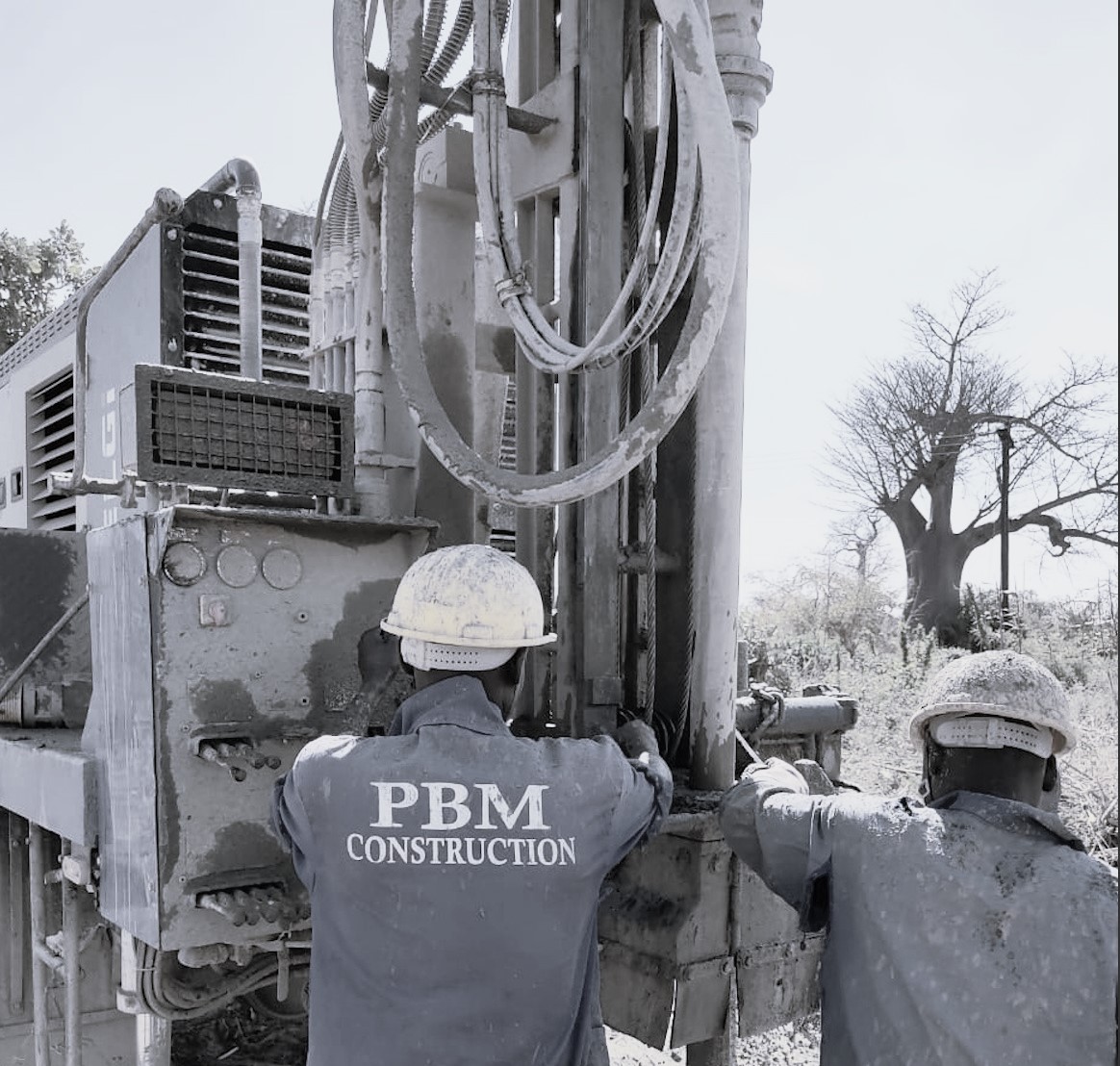
Introduction
In the vast realm of industrial processes, drilling stands as a cornerstone of modern civilization. It's a technique that allows us to bore deep into the Earth, unlocking resources, scientific insights, and the foundations for countless essential structures. In this blog, we'll delve into the world of drilling, exploring its various applications, techniques, and the critical role it plays in our lives.
**The Art of Drilling**
Drilling, in essence, is the act of creating holes or cavities in a material, often with the goal of reaching significant depths. From extracting minerals and fossil fuels to probing the Earth's crust for geological studies, drilling is a versatile tool that spans multiple industries.
**Types of Drilling**
1. **Oil and Gas Exploration**: Perhaps the most well-known form of drilling, oil and gas exploration involves drilling deep into the Earth's crust to access valuable hydrocarbon reserves. Offshore drilling rigs, such as those in the Gulf of Mexico, are marvels of engineering, capable of operating in extreme conditions.
2. **Mining**: Mining operations use drilling to access valuable minerals and ores buried beneath the Earth's surface. These minerals are essential for a wide range of industries, from electronics to construction.
3. **Geological and Environmental Studies**: Scientists and environmentalists use drilling to collect core samples and study the Earth's history and composition. Ice cores from polar regions, for example, provide insights into climate change over millennia.
4. **Construction and Infrastructure**: Construction relies on drilling for creating foundation piles, tunnels, and boreholes for utilities like water and gas lines. The construction industry wouldn't be what it is today without this essential process.
**The Science of Drilling**
Drilling isn't just about making holes; it involves complex engineering and precision. Engineers design drilling rigs and equipment capable of withstanding enormous pressures, temperatures, and geological challenges. Some key elements of the science of drilling include:
- **Drill Bits**: The type of drill bit used depends on the material being drilled. For instance, diamond-tipped bits are excellent for hard rock, while tricone bits are versatile for various applications.
- **Drilling Fluids**: Drilling fluids, often called "mud," are used to lubricate and cool the drill bit, carry rock cuttings to the surface, and prevent well blowouts. The composition of drilling fluids is carefully tailored to the specific drilling conditions.
- **Safety Measures**: Drilling can be dangerous work. Rig operators employ stringent safety protocols to protect both workers and the environment. Blowout preventers and emergency response plans are critical components of drilling safety.
**Challenges and Innovations**
Drilling, while indispensable, isn't without challenges. It can be expensive, environmentally impactful, and fraught with technical difficulties. However, the industry is continually evolving to address these issues.
Innovations like directional drilling allow for more precise drilling paths, reducing the environmental footprint and minimizing surface disruption. Moreover, research into cleaner drilling technologies and sustainable practices is ongoing to mitigate environmental impacts.
**The Future of Drilling**
As we look ahead, drilling is set to play an even more significant role in our world. In the quest for cleaner energy sources, geothermal drilling is gaining traction, tapping into the Earth's natural heat for power generation. Additionally, space exploration may soon involve planetary drilling to uncover the mysteries of other celestial bodies.
Conclusion
Drilling is the silent force that enables us to access the Earth's treasures, fuel our energy needs, and expand our knowledge of the world beneath our feet. From towering oil derricks to intricate geological studies, the world of drilling is a testament to human ingenuity and determination. As we continue to explore and innovate, drilling will remain a vital tool in shaping the future of our planet and beyond.
0 Comments